FIT for EveryBODY™, Delivered Fast.
That's been our promise since 2005, when FORtheFIT launched as THE online clothing store for hard to find
sizes- including Tall Men's Clothes, Short Men's Clothing, Petite Women's Clothes and Tall Women's Clothing Sizes. Don't take our word for it, when our clients tell it best (Reviews and Testimonials). Or, click here to learn more About Us and discover the many ways as a small business, FORtheFIT Supports Local Communities
-
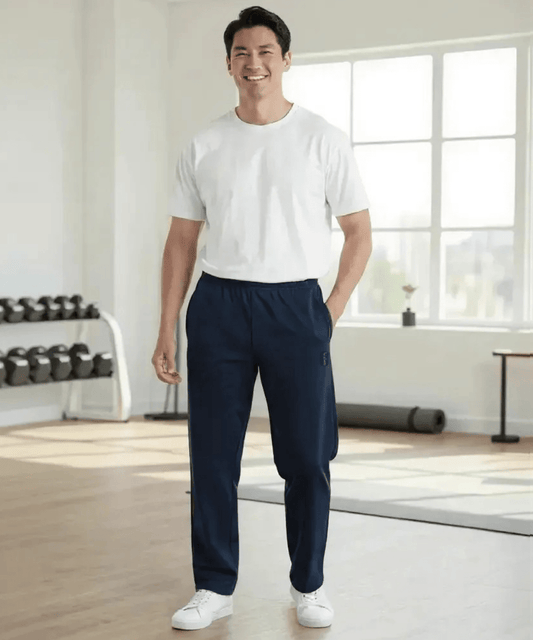
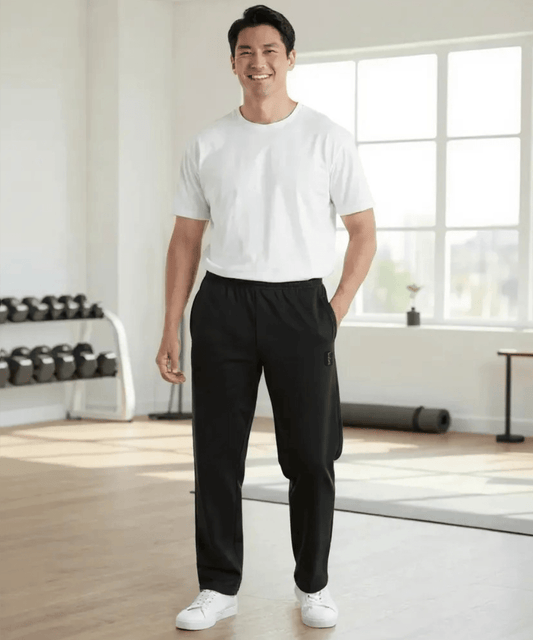
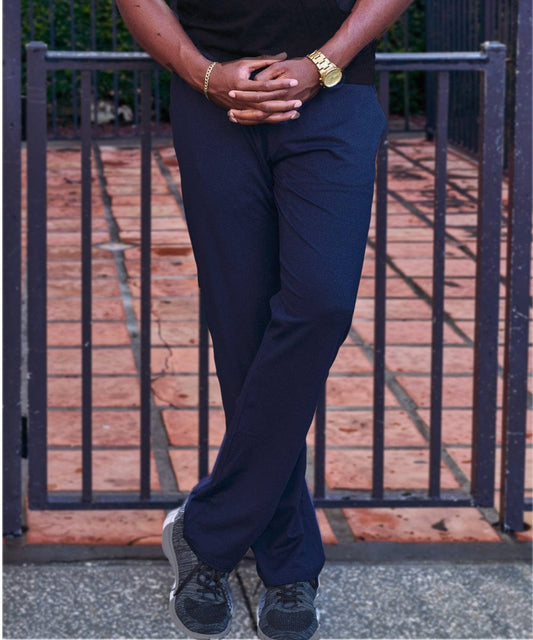
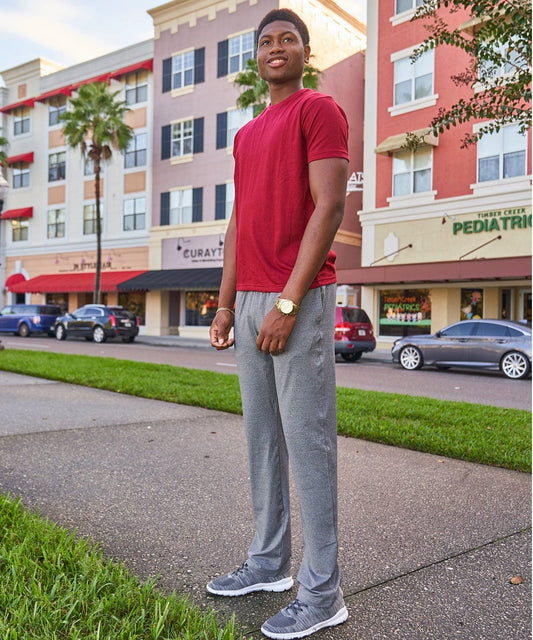
Short Men's Jersey Athletic Pants, Relaxed Fit - 3 Colors to Choose From!
Regular price $57.80 USDRegular priceUnit price per$68.00 USDSale price $57.80 USDSale -
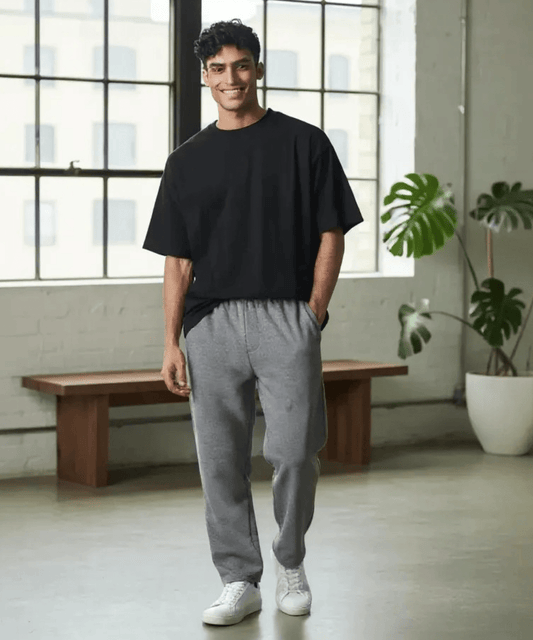
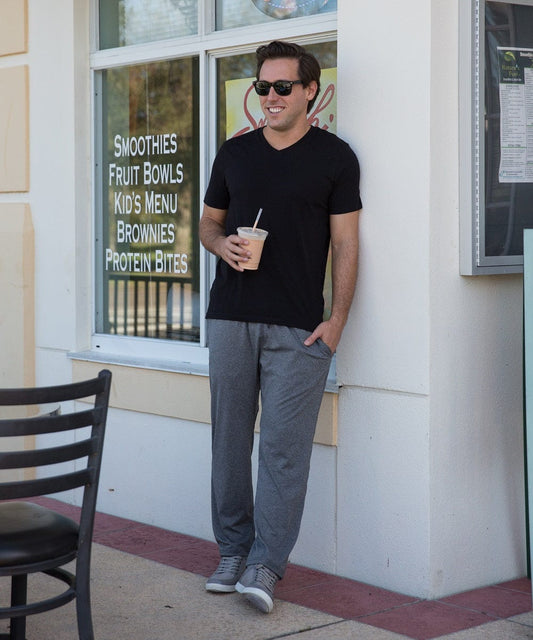
Tall Men's Sweatpants, Fleece - Relaxed Fit - Choose from Black, Navy or Graphite Colors
Regular price $68.00 USDRegular priceUnit price per$80.00 USDSale price $68.00 USDSale -
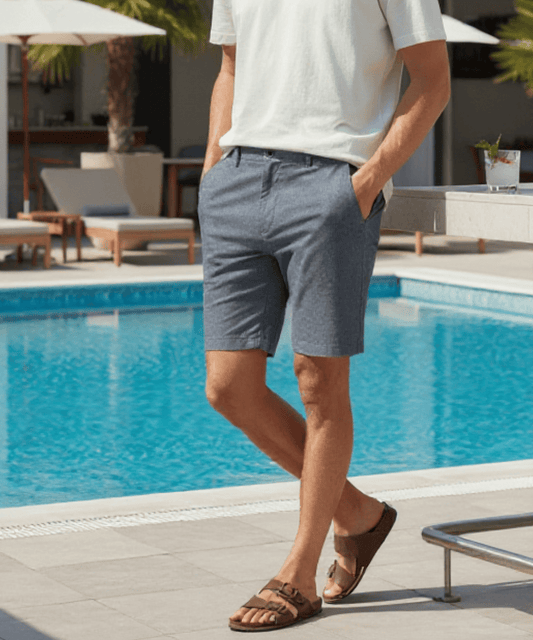
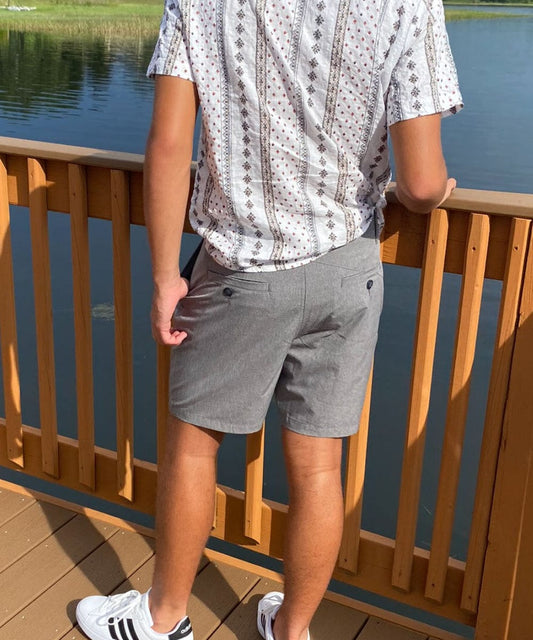
NEW HYBRID Land/Sea Short Rise Men's Shorts - Graphite - DISCONTINUED
Regular price $36.44 USDRegular priceUnit price per$84.00 USDSale price $36.44 USDSale -
NEW HYBRID Land/Sea Tall Men's Shorts - Graphite - DISCONTINUED
Regular price $36.44 USDRegular priceUnit price per$84.00 USDSale price $36.44 USDSale -


Fleece Short Men's Sweatpants - Relaxed Fit - Black Navy and Heathered Graphite Colors Available
Regular price $68.00 USDRegular priceUnit price per$80.00 USDSale price $68.00 USDSale -
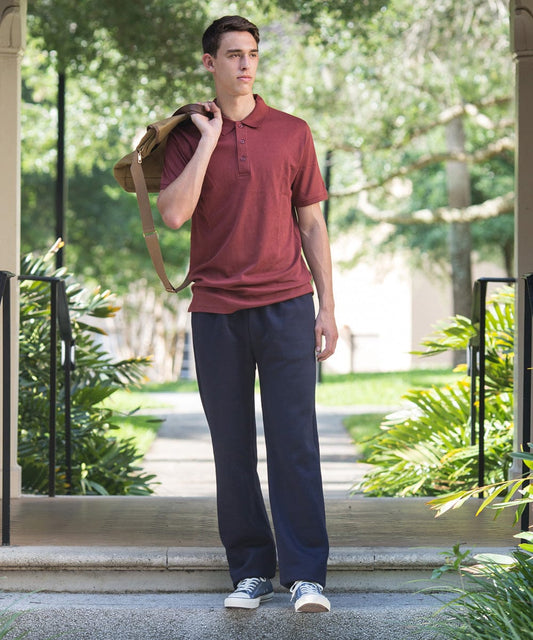
Short Men’s “Tricot” Athletic Track Pants | Short Inseams 25–29"
Regular price From $45.60 USDRegular priceUnit price per$76.00 USDSale price From $45.60 USDSale -
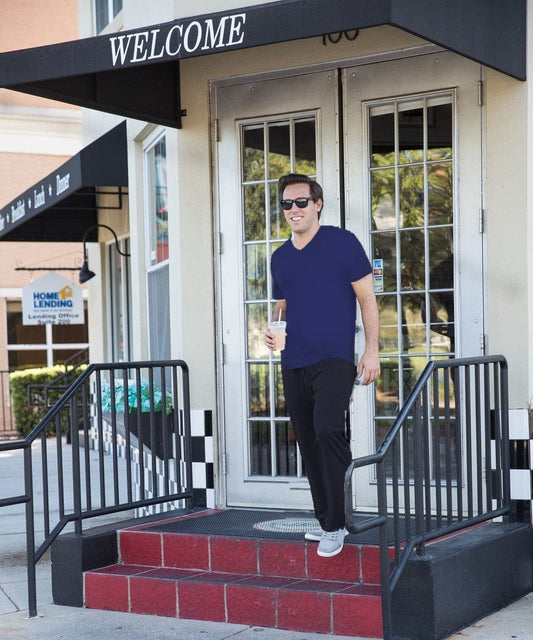
Tall Men's Jersey Athletic Pants, Relaxed Fit - 3 Colors Available!
Regular price $57.80 USDRegular priceUnit price per$68.00 USDSale price $57.80 USDSale -
Tall Men’s “Speedy” Athletic Sweatpants | Jogger Pants, Long Inseams 34–40"
Regular price $67.20 USDRegular priceUnit price per$84.00 USDSale price $67.20 USDSale -
Tall Men’s “Tricot” Athletic Track Pants | Long Inseams 34–40"
Regular price $64.60 USDRegular priceUnit price per$76.00 USDSale price $64.60 USDSale -
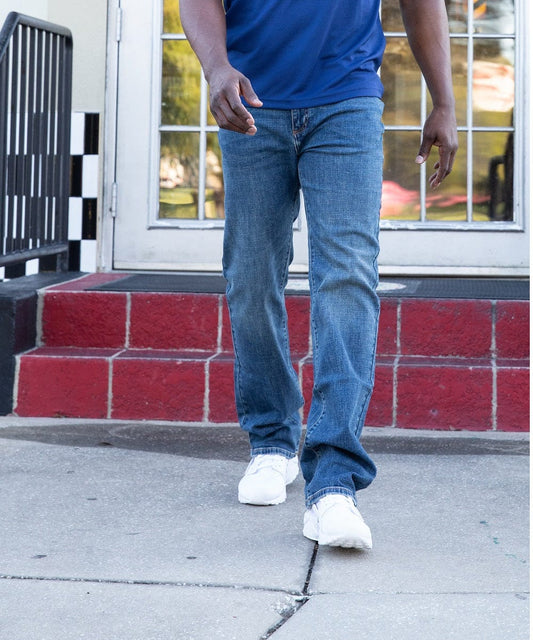
'Jack" Denim Jean- Medium Blue, Short Men's Jeans
Regular price $74.90 USDRegular priceUnit price per$98.00 USDSale price $74.90 USDSale -
Short Men’s “Speedy” Athletic Sweatpants | Short Inseams 25–29"
Regular price From $50.40 USDRegular priceUnit price per$84.00 USDSale price From $50.40 USDSale -
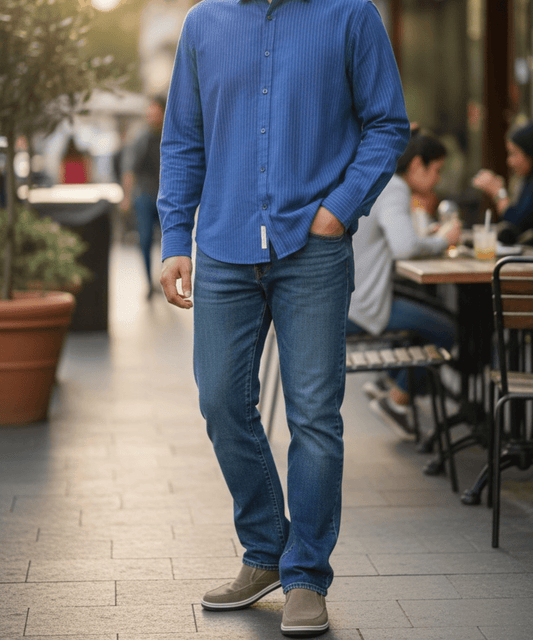
'Jack' premium Tall Men's Jeans , Medium Blue
Regular price $74.90 USDRegular priceUnit price per$98.00 USDSale price $74.90 USDSale







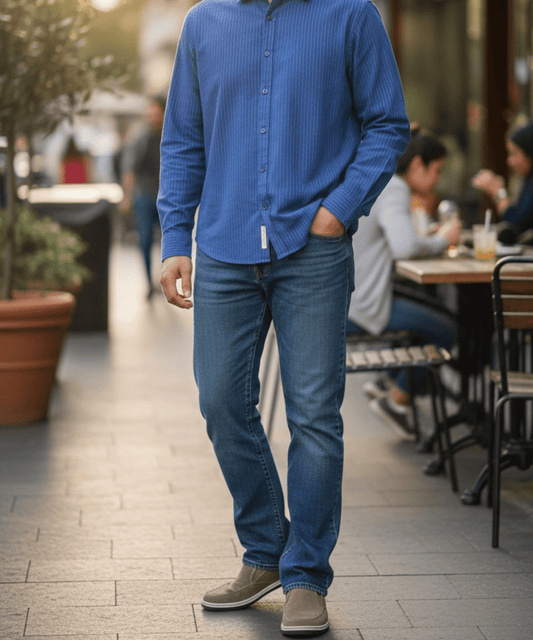
FORtheFIT Product & Site Reviews: Our Customers Tell It Best...
What customers think about the store
Specializes in athletic and casual wear for men with hard-to-find sizes, particularly tall and short inseams. Customers praise the excellent fit, high quality materials, and ability to purchase pants without alterations. Fast shipping, responsive customer serv...
AI-generated from customer reviews.
FIT for up to 5'9" - Discover Short Men's Styles
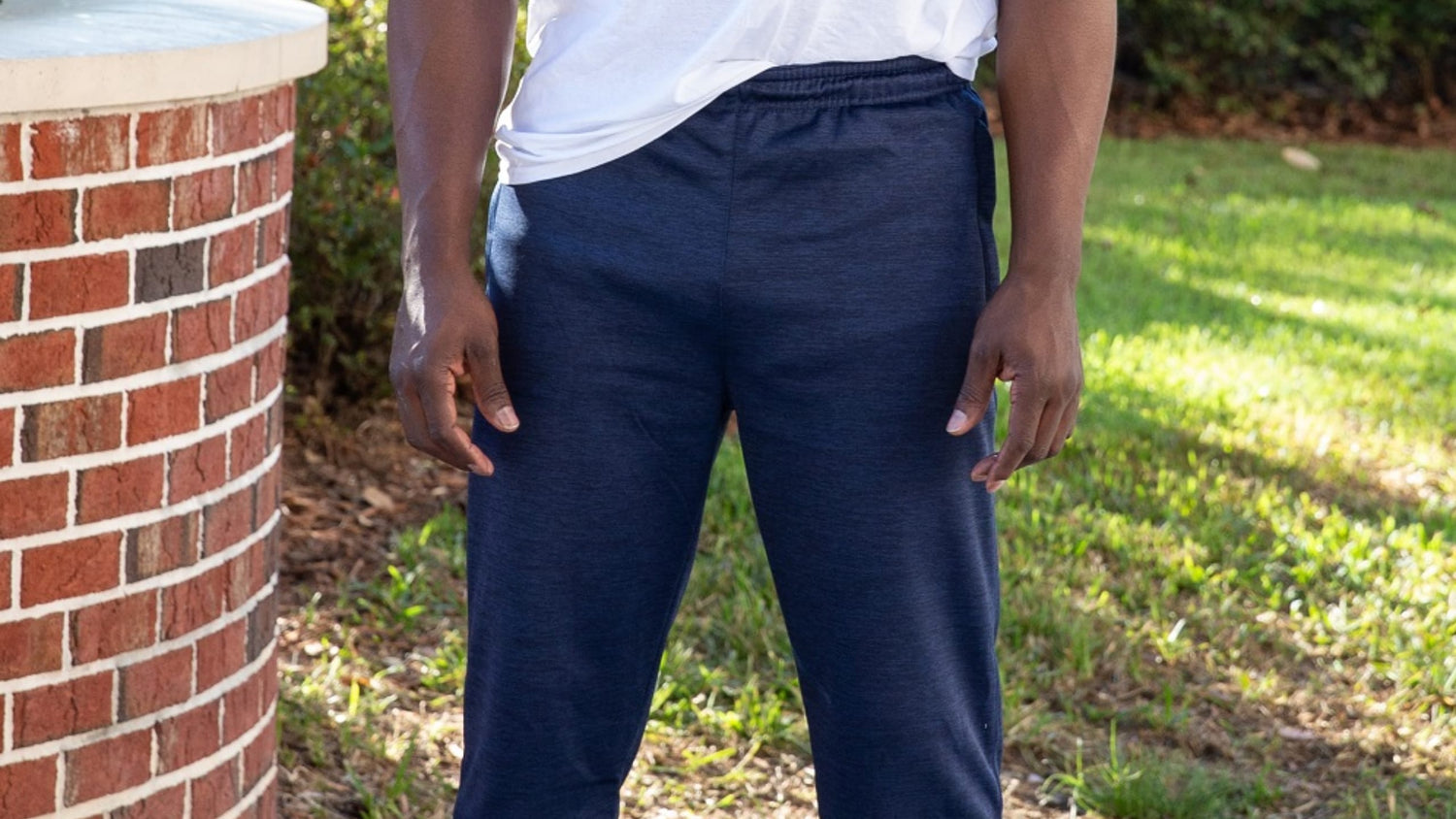
Athletic Pants - Short Men's Sweatpants
Athletic Pants - Short Men's Sweatpants - FORtheFIT offers mens workout pants...
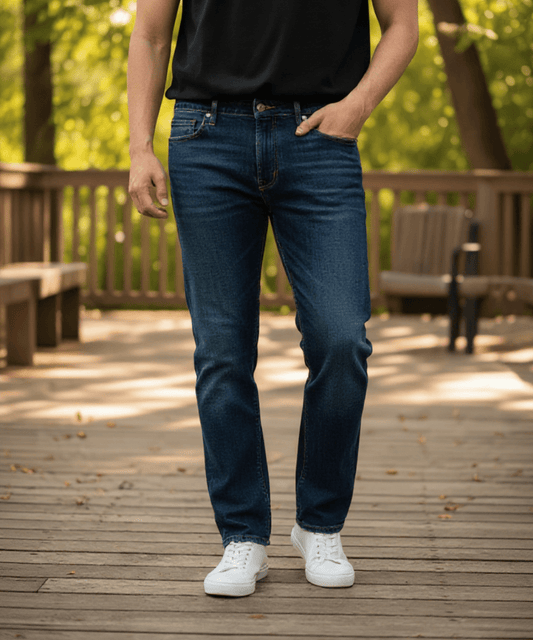
'Jack" Denim Short Men's Jeans - Dark Wash

Short Men's Pants - Dress & Casual
Casual & Dress Pants for Short Men (Lost? Find tall men's pants...
FIT for TALL Guys, Slim to BIG
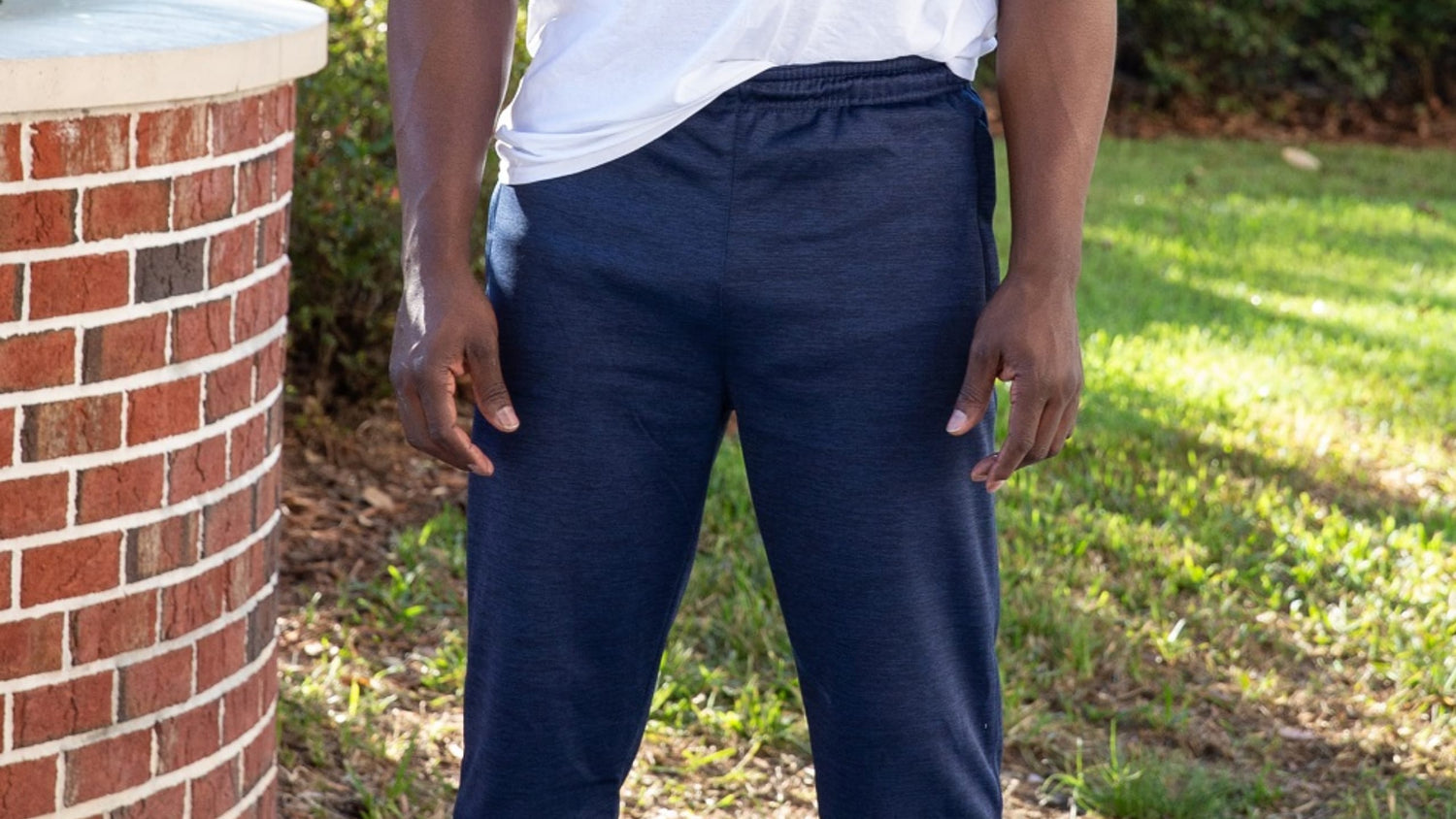
Tall Men's Sweatpants | FORtheFIT.com
Athletic Pants - Tall Men's : FORtheFIT Tall Men's Sweatpants are mens...
'Jack' premium Tall Men's Jeans , Medium Blue
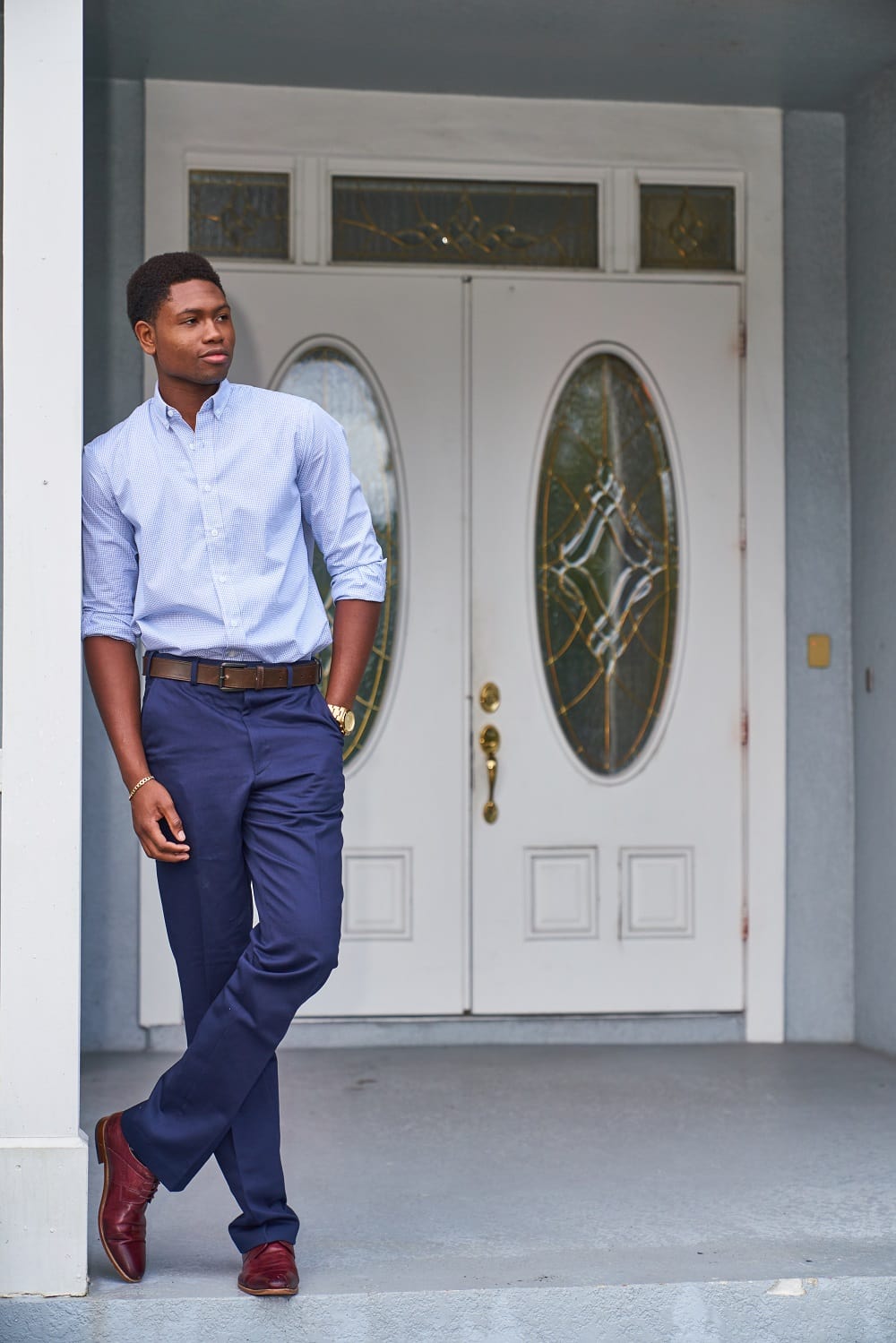
Tall Men's Pants - Dress & Casual
Pants that FIT even the tallest men - slim to Big!
FIT for HER - Tall & Petite Women's Styles
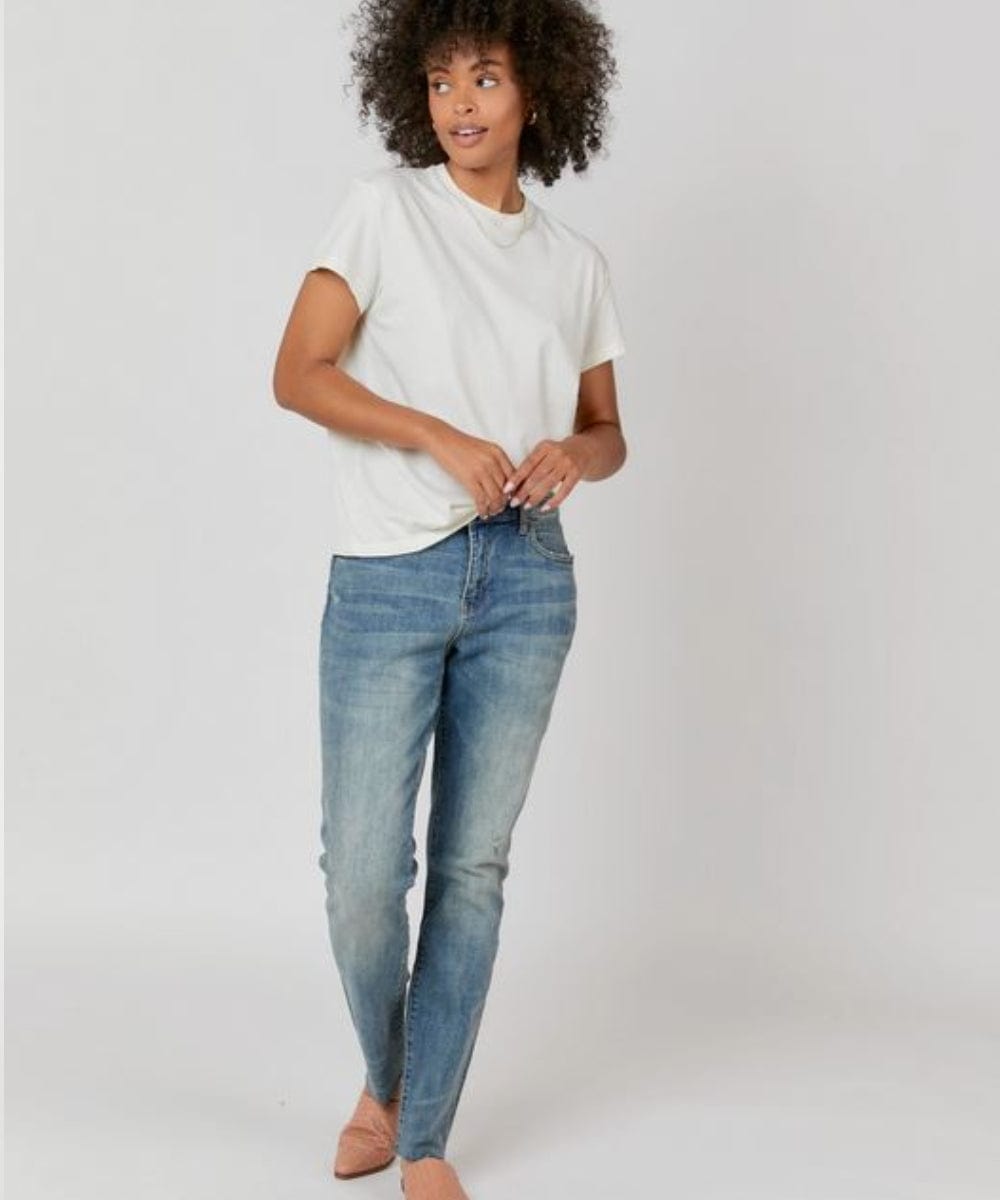

Petite Workout Pants
By Popular Demand, FORtheFIT's bestselling tall men's sweatpants and short men's athletic...

Tall Women's Jeans and Pants - Casual and Dress Styles
Tall Women's Pants - Casual and Dress Styles ( click here for...
Tall. Short. Petite. Mens & Women's. FIT is for EveryBODY™
Want More? Check out our BLOG: FIT for EveryBODY to learn more about tall and short men's style, fit, life hacks and more!
View all-

Keep Calm and Jolly On 🎅 5 Top Tips to Keep you...
The holiday season is a wonderful time of year, but it can also be incredibly hectic. Between shopping for gifts, attending social events, and preparing for family gatherings, on top...
Keep Calm and Jolly On 🎅 5 Top Tips to Keep you...
The holiday season is a wonderful time of year, but it can also be incredibly hectic. Between shopping for gifts, attending social events, and preparing for family gatherings, on top...
-

Last-Minute Men’s Halloween Costumes: Budget-Fr...
Transform everyday wardrobe staples into awesome, budget-friendly Halloween costumes. Use jeans for a classic James Dean or cowboy look. Turn khaki pants into Jake from State Farm or an Explorer....
Last-Minute Men’s Halloween Costumes: Budget-Fr...
Transform everyday wardrobe staples into awesome, budget-friendly Halloween costumes. Use jeans for a classic James Dean or cowboy look. Turn khaki pants into Jake from State Farm or an Explorer....
-

Get a Head Start on the Holidays with EASY, EXT...
Carrier Delays and Supply Chain disruptions remain for 2024, so our EASY, EXTENDED Holiday returns policy kicks in October 1st. At FORtheFIT we offer an extra generous returns policy for...
Get a Head Start on the Holidays with EASY, EXT...
Carrier Delays and Supply Chain disruptions remain for 2024, so our EASY, EXTENDED Holiday returns policy kicks in October 1st. At FORtheFIT we offer an extra generous returns policy for...



Learn More / FAQ
Help Me Find My Size - TALL MEN
Size Charts for Tall Men (American Tall Men's Clothing Size Charts)
TALL Men's Clothing Size Charts & Style Guide
The hard part is done: First, we designed and crafted the best tall men's clothes in America. Then, we offered an insanely wide range of sizes and inseams to FIT you. What comes next is the easy part: Simply identify your size from the size charts below! 34 inseam? 36 inseam? Waist XS or 2XL? Lastly, order online for fast and easy delivery of perfect FIT styles for you. To that end, our men's American tall size chart options below (with European equivalents), are provided below. Who are we? Our customers tell it best! Scroll down for FORtheFIT site and product reviews, or click here for more.
HAVE MORE QUESTIONS? Check out our Tall Men's Style Guide below
Read below to find answers to all your tall men's style questions. First, learn how to measure yourself for tall pants and dress shirts with our measuring guide below. Next, if you're not sure what style suits your tall body best, send us your questions! Details about our Free FindMyFIT service are below. Lastly, if you're ready to order, FORtheFIT's tall men's clothes are always in-stock and available in a range of styles, lengths and inseams to FIT you best. Because whether you are tall and slim, tall skinny, or big and tall, we will help you find your perfect FIT.

Knowing your ACTUAL size is the key to great FIT. Great FIT, is the key to looking good. Look good, and you'll FEEL Great. A simple formula that starts with consulting our American Tall Size Charts for Men.
American Tall Men's Clothing Size Chart:(*International size conversions provided, too)
Think you're hard to FIT? Nah. Since 2005, FORtheFIT has been stocking the most popular (and a few not so common) tall men's sizes. Whatever your needs: 34x36 pants, 34x38 jeans, or even 40" lengths, we offer sizes to FIT you. The first step is to find your size in our tall men's size charts below. Once you identify a general size, start shopping! Then, be sure to read product description carefully. The charts below offer general sizing, but item-specific charts are included on every product page.
American Tall Men's Size Chart - SHIRTS
For assistance on how to measure for Tall shirts, just scroll down to our guide below. Not located in the U.S.? No problem- International conversions are included in every chart and we also ship globally.
| Neck Size (for US American Tall, UK, Canada, Australia) | U.S. Chest Size (inches) | Neck Size (Europe, cm) | Chest Size (Europe, cm) | |
| X-small | 14/14.5 | 34 | 36/37 | 86 |
| Small | 15/15.5 | 36 | 38/39 | 91 |
| Medium | 16/16.5 | 38 | 40/41 | 97 |
| Large | 17/17.5 | 40 | 41/42 | 101 |
| X-Large | 18/18.5 | 42 | 43/44 | 107 |
| 2X-Large | 19 / 19.5 | 44 | 45/46 | 112 |
American Tall Men's Size Chart - ATHLETIC PANTS / SWEATS / JOGGERS
The chart below features American and international tall men's sizes. First, consult the chart below. Next, if you need help taking the measurements, read on for our measurement tutorial below.
| Tall Pants (Label Size) | X-Small | Small | Medium | Large | X-large | 2X-large |
| Your Waist Measurement (inches) | < 28 waist | 28 - 30 waist | 32 - 34 waist | 36 - 38 waist | 40 - 42 waist | 44 - 46 waist |
| Your Waist Measurement (cm) | < 70 | 71-79 | 81-89 | 91-99 | 101-109 | 111-119 |
American Tall Men's Size Chart - JEANS / CHINOS
For assistance on how to measure your waist and inseam for tall jeans, dress pants, chinos and more, simply review our instructions below. Are you based outside the U.S.? No problem. International conversions are included in every chart and we offer fast, low cost shipping throughout the world.
| Tall Pants (LABEL Size) | 28 waist | 29 waist | 30 waist | 31 waist | 32 waist | 33 waist | 34 waist | 35 waist | 36 waist | 38 waist | 40 waist | 42 waist | 44 waist | 46 waist | 48 waist |
| Your Waist Measurement (inches) | 28 | 29 | 30 | 31 | 32 | 33 | 34 | 35 | 36 | 37-38 | 39-40 | 41-42 | 43-44 | 45-46 | 47-48 |
| Your Waist Measurement (cm) | 71 | 74 | 76 | 79 | 81 | 84 | 86.5 | 89 | 91.5 | 95 | 100 | 105 | 110 | 115 | 120 |
American Tall Men's Size Chart - TALL MEN'S PANT LENGTHS / TALL INSEAMS
For assistance on how to measure your waist and inseam for tall pants, simply scroll down to our guide below. Not located in the U.S.? No problem- International conversions are included in every chart and we ship globally.
| Tall Pants (Label Size) | Reg-Tall | Tall | X-Tall | 2X-Tall |
| Pants , Jeans & Athletic Pants: Inseam Measurement (inches) | 34 inseam | 36 inseam | 38 inseam | 40 inseam |
| Pants, Jeans & Athletic Pants: Inseam (cm) | 86 cm | 91 cm | 96 cm | 102 cm |
| Your Height (inches) | <6'4" | 6'4" to 6'6" | 6'6" to 6'8" | >6'8" |
| Your Height (cm) | <193 cm | 193 to 198 cm | 198 to 203 cm | >203 cm |
Top Style Tips for Tall Men - How to measure & What to wear
Step 1: How To Measure yourself for Tall Men's Clothes
Finding your perfect FIT is easy- just find an inexpensive, soft tape measure and get to work! Don't own one? Click the above link- we offer them right online at FORtheFIT.
Neck Measurement:
Finding your collar size is easy! First, with a soft tape measure, either 1) measure around the base of your neck, or 2) measure the collar on your favorite shirt. If you are measuring from a shirt, you will start from the center of the collar button and run the tape to the far end of the button hole. The resulting measurement is your collar size.
ProTip:If you intend to wear the shirt with a tie, the size you select should closely match your exact collar measurement. However, shirts you intend to wear without a tie may be purchased slightly larger at the neck. The larger neck offers comfort and a more casual look.
Chest Measurement:
To measure your chest, first relax your arms at your sides. Then, measure around the fullest part of your chest, keeping the tape measure under the armpits. This is your chest size.
ProTip:If you're shopping for a jacket or sports coat, in addition to considering your chest, you will want to ensure comfort and a better fit in the upper arms and shoulders. Therefore, in addition to the chest measurement above, you will also want to know your overarm measurement. First, measure around your chest and arms (at the highest point of your shoulder blades). This is your overarm measurement. Next, subtract your chest measurement from your overarm measurement. If the difference is 7 or more inches, then we recommend ordering one size larger through the chest, so you can comfortably move your arms and shoulders in the jacket.
Sleeve Measurements (Arms):
To find what sleeve length to order, start by bending your elbow 90 degrees and placing your hand on your hip. Next, hold the tape at the center back of your neck. Last, measure across your shoulder to your elbow, and down to your wrist. Voila! You've just calculated your sleeve length.
Waist Size Measurements:
Figuring out what waist size to order for pants is simple. First, grab that soft tape measure. Second, measure loosely around your natural waistline. Third, don't forget to breathe. Remember: if you hold the tape measure too tightly, you may pop a button the next time you take a deep breath or eat a sandwich! If you're in-between sizes, consider a self-sizer waisted pant (learn more about those here)
ProTip:Here's how NOT to measure. First, do NOT simply go by the stated or label size on your favorite pants. Second, do not simply measure the waistband on the garment itself. That's because depending on the intended rise of that item (ie. whether it's supposed to sit AT or BELOW your waist), and also how it actually fits on you (ie whether you are wearing it as intended), the resulting numbers may have no relevance to your actual waist size. Instead, simply measure your waist itself.
Rise and Inseam: Measuring for Pants
Pant Length / Inseam:
Inseam is the measurement of your pants length from the crotch seam to the bottom hem. A professional tailor can take this measure for you. But, if you're more comfortable, you can easily find this measurement at home. First, identify which of your existing pants fits you best. Next, fold that pair in half-lengthwise and lay on a flat surface (a bed, table or the floor will work). Then, measure from the crotch seam (where all the fabric meets) and straight down the pant leg all the way to the bottom. This is your inseam. Wish your favorite pair were just an inch longer? Cool beans! Just add an inch to the number.
Trouser Rise:
The rise on your pants refers to the distance from crotch to waist. Simply fold your pants in half lengthwise, and along the front of the pant, measure from the crotch seam to the top of the waistband to find the front rise. Rise is important because it determines where the pants sit on your body. First, rise is most commonly used to describe whether the pants are supposed to sit on your body. For example, low rise pants sit well below your waist, and high-rise just above. But YOU also have a natural rise - the distance between your crotch and waist, that also needs to be considered. If you are taller than average, you may have a tall rise.
ProTip:If you are tall and skinny, you may find yourself buying regular, off the rack pants and wondering why they sit so low on your body. You may have a tall rise. If you are much taller than average, you may need to start with pants that feature a tall rise, and THEN shop for your perfect style (ie whether you want a tall/low rise to sit below your waist, or tall/standard rise to sit AT your natural waist). See our featured Pant Rise Article for more details.
For more help finding your perfect style or size, contact FindMyFIT © :
What can we help you to find? Whether you have questions about what to wear on a special occasion, or what styles will FIT you best, simply send us an email! Next, a FIT Consultant will reply within one business day with advice and helpful suggestions. Lastly, they can suggest what specific FORtheFIT items will work for you. Just send an e-mail to FindMyFIT@FORtheFIT.com. Ready to Shop? Tall Men's Clothing is available now at FORtheFIT.com
Find My Fit © Terms & Conditions :
"Find My Fit" is a free service offered by For the Fit, Inc. First, we will make every effort to respond to your questions as soon as possible. Unfortunately, we cannot promise an instant response. Therefore, please allow at least 1 business day to respond to your questions. Secondly, FORtheFIT reminds you that this service provides individual advice and tips. Thus, it remains the individual customer's decision whether or not to follow the advice provided. Therefore, by using our service, you agree to release FORtheFIT from any and all liability for any damages resulting from following any advice provided by FORtheFIT or its agents or representatives. For the Fit, Inc.'s standard terms and conditions apply to use of this service.
Help Me Find My Size - Up to 5'9"
Size Charts for Men Up to 5'9" (How to Buy Short Men's Clothing)
How to Buy Short Men's Clothing
Size Charts & Style Guide
The hard part is done: First, we designed and crafted the best short men's clothes in America. Next, we offered an insanely wide range of sizes and inseams to FIT you. All that's left is for you to identify your size from the size charts below- 26 or 27 inseam? 28 inseam? Waist XS or 2XL? We stock them all. So next is to simply order online from our vast assortment of short men's clothing for fast and easy delivery of perfect FIT styles for you. Our short men's clothing size chart options are provided below.
HAVE MORE QUESTIONS? Check out our guide to What Styles Fit Short Men Best below
If you're under 5'9" - finding the right styles and fits for you can be tricky- we know this first-hand. Read on to find answers to all your short men's style questions. First, learn how to measure yourself for short rise pants and our exclusive dress shirts in short men's proportions, using our measuring guide below. Next, if you're not sure what styles suit your shorter frame best, send us your questions! Details about our Free FindMyFIT service are below. Lastly, if you're ready to order, FORtheFIT's short men's clothes are always in-stock and available in a range of styles, lengths and inseams to FIT you best. Because whether you are short and slim or short and stout, or somewhere in between, we will help you find your perfect FIT.

Knowing your ACTUAL size is the key to great FIT. Great FIT, is the key to looking good. Look good, and you'll FEEL Great. A simple formula that starts with consulting our Short Men's Clothing Size Charts below.
Short Men's Clothing Size Chart:
(*International size conversions provided, too)
Think you're hard to FIT? Nah. Since 2005, FORtheFIT has been stocking the most popular (and a few not so common) short men's clothes sizes. Whatever your needs: 34x26 pants, 36x28 jeans, or even "in between" sizes like 33 or 35, and 27" lengths, we offer sizes to FIT you. The first step is to find your size in our short men's size charts below. Once you identify a general apparel size, start shopping! Then, be sure to read product description carefully. The charts below offer general sizing, but item-specific charts are included on every product page.
How to Buy Short Men's Shirts: Size Chart, SHIRTS
For assistance on how to measure yourself for shirts proportioned for shorter men, up to 5'9", just scroll down to our guide below. Not located in the U.S.? No problem- International conversions are included in every chart and we also ship globally.
| Neck Size (for US, UK, Canada, Australia) | U.S. Chest Size (inches) | Neck Size (Europe, cm) | Chest Size (Europe, cm) | |
| X-small | 14/14.5 | 34 | 36/37 | 86 |
| Small | 15/15.5 | 36 | 38/39 | 91 |
| Medium | 16/16.5 | 38 | 40/41 | 97 |
| Large | 17/17.5 | 40 | 41/42 | 102 |
| X-Large | 18/18.5 | 42 | 43/44 | 107 |
| 2X-Large | 19 / 19.5 | 44 | 45/46 | 112 |
| Sleeve Lengths | Regular | Short | X-short |
| inches | 32/33 | 30/31 | 28/29 |
| cm | 83 | 77 | 72 |
How to Buy Short Men's Athletic Pants: Size Chart - ATHLETIC PANTS / SWEATS / JOGGERS
The chart below features American and international short men's apparel sizes. First, consult the chart below. Next, if you need help taking the measurements, read on for our measurement tutorial below.
| Short Pants (Label Size) | X-Small | Small | Medium | Large | X-large | 2X-large |
| Your Waist Measurement (inches) | < 28 waist | 28 - 30 waist | 32 - 34 waist | 36 - 38 waist | 40 - 42 waist | 44 - 46 waist |
| Your Waist Measurement (cm) | < 70 | 71-79 | 81-89 | 91-99 | 101-109 | 111-119 |
How to Buy Short Men's Jeans and Pants: Size Chart - JEANS / CHINOS
For assistance on how to measure your waist and inseam for short men's jeans, dress pants, chinos and more, simply review our instructions below. Are you based outside the U.S.? No problem. International conversions are included in every chart and we offer fast, low cost shipping throughout the world.
| Short Length Pants (LABEL Size) | 28 waist | 29 waist | 30 waist | 31 waist | 32 waist | 33 waist | 34 waist | 35 waist | 36 waist | 38 waist | 40 waist | 42 waist | 44 waist | 46 waist | 48 waist |
| Your Waist Measurement (inches) | 28 | 29 | 30 | 31 | 32 | 33 | 34 | 35 | 36 | 37-38 | 39-40 | 41-42 | 43-44 | 45-46 | 47-48 |
| Your Waist Measurement (cm) | 71 | 74 | 76 | 79 | 81 | 84 | 86.5 | 89 | 91.5 | 95 | 100 | 105 | 110 | 115 | 120 |
How to Buy Pants for Short Men: Size Chart - PANT LENGTHS / SHORT INSEAMS
For assistance on how to measure your waist and inseam for tall pants, simply scroll down to our guide below. Not located in the U.S.? No problem- International conversions are included in every chart and we ship globally.
| Short Length Pants (Label Size) | 2XSH | XSH | SH |
| Pants , Jeans & Athletic Pants: Inseam Measurement (inches) | 25 inseam | 26/27 inseam | 28/29 inseam |
| Pants, Jeans & Athletic Pants: Inseam (cm) | 64 cm | 67 cm | 72 cm |
| Your Height (inches) | <5'6" | 5'6" to 5'7" | 5'8" to 5'9" |
| Your Height (cm) | <167 cm | 167 to 171 cm | 172 to 175 cm |
Top Style Tips for Shorter Men - How to measure & What to wear
Step 1: How To Measure yourself for Short Men's Clothes
Finding your perfect FIT is easy- just find an inexpensive, soft tape measure and get to work! Don't own one? Click the above link- we offer them right online at FORtheFIT.
Neck Measurement:
Finding your collar size is easy! First, with a soft tape measure, either 1) measure around the base of your neck, or 2) measure the collar on your favorite shirt. If you are measuring from a shirt, you will start from the center of the collar button and run the tape to the far end of the button hole. The resulting measurement is your collar size.
ProTip:If you intend to wear the shirt with a tie, the size you select should closely match your exact collar measurement. However, shirts you intend to wear without a tie may be purchased slightly larger at the neck. The larger neck offers comfort and a more casual look.
Chest Measurement:
To measure your chest, first relax your arms at your sides. Then, measure around the fullest part of your chest, keeping the tape measure under the armpits. This is your chest size.
ProTip:If you're shopping for a jacket or sports coat, in addition to considering your chest, you will want to ensure comfort and a better fit in the upper arms and shoulders. Therefore, in addition to the chest measurement above, you will also want to know your overarm measurement. First, measure around your chest and arms (at the highest point of your shoulder blades). This is your overarm measurement. Next, subtract your chest measurement from your overarm measurement. If the difference is 7 or more inches, then we recommend ordering one size larger through the chest, so you can comfortably move your arms and shoulders in the jacket.
Sleeve Measurements (Arms):
To find what sleeve length to order, start by bending your elbow 90 degrees and placing your hand on your hip. Next, hold the tape at the center back of your neck. Last, measure across your shoulder to your elbow, and down to your wrist. Voila! You've just calculated your sleeve length.
Waist Size Measurements:
Figuring out what waist size to order for pants is simple. First, grab that soft tape measure. Second, measure loosely around your natural waistline. Third, don't forget to breathe. Remember: if you hold the tape measure too tightly, you may pop a button the next time you take a deep breath or eat a sandwich! If you're in-between sizes, consider a self-sizer waisted pant (learn more about those here)
ProTip:Here's how NOT to measure. First, do NOT simply go by the stated or label size on your favorite pants. Second, do not simply measure the waistband on the garment itself. That's because depending on the intended rise of that item (ie. whether it's supposed to sit AT or BELOW your waist), and also how it actually fits on you (ie whether you are wearing it as intended), the resulting numbers may have no relevance to your actual waist size. Instead, simply measure your waist itself.
Rise and Inseam: Measuring for Pants
Pant Length / Inseam:
Inseam is the measurement of your pants length from the crotch seam to the bottom hem. A professional tailor can take this measure for you. But, if you're more comfortable, you can easily find this measurement at home. First, identify which of your existing pants fits you best. Next, fold that pair in half-lengthwise and lay on a flat surface (a bed, table or the floor will work). Then, measure from the crotch seam (where all the fabric meets) and straight down the pant leg all the way to the bottom. This is your inseam. Wish your favorite pair were just an inch longer? Cool beans! Just add an inch to the number.
Trouser Rise:
The rise on your pants refers to the distance from crotch to waist. Simply fold your pants in half lengthwise, and along the front of the pant, measure from the crotch seam to the top of the waistband to find the front rise. Rise is important because it determines where the pants sit on your body. First, rise is most commonly used to describe whether the pants are supposed to sit on your body. For example, low rise pants sit well below your waist, and high-rise just above. But YOU also have a natural rise - the distance between your crotch and waist, that also needs to be considered. If you are shorter than average, you may have a short rise.
ProTip:If you are under 5'9" or shorter than average, you may find yourself buying regular, off the rack pants and wondering why they sit so high on your body (or, you're wearing them below the waist, and find the crotch is dragging super low). If so, you may have a short rise. If you find you have a short rise, you may need to start with pants that feature a true short rise, and THEN shop for your perfect style (ie whether you want a short/low rise to sit below your waist, or short/standard rise to sit AT your natural waist). For example, we offer both styles, including: classic fit (short rise, to sit at the waist) and slim fit (short rise, to fit below the waist). See our featured Pant Rise Article for more details.
For more help finding your perfect style or size, contact FindMyFIT © :
What can we help you to find? Whether you have questions about what to wear on a special occasion, or what styles will FIT you best, simply send us an email! Next, a FIT Consultant will reply within one business day with advice and helpful suggestions. Lastly, they can suggest specific FORtheFIT items that will work for you. Just send an e-mail to FindMyFIT@FORtheFIT.com. Ready to Shop? Short Men's Clothing is available now at FORtheFIT.com
Find My Fit © Terms & Conditions :
"Find My Fit" is a free service offered by For the Fit, Inc. First, we will make every effort to respond to your questions as soon as possible. Unfortunately, we cannot promise an instant response. Therefore, please allow at least 1 business day to respond to your questions. Secondly, FORtheFIT reminds you that this service provides individual advice and tips. Thus, it remains the individual customer's decision whether or not to follow the advice provided. Therefore, by using our service, you agree to release FORtheFIT from any and all liability for any damages resulting from following any advice provided by FORtheFIT or its agents or representatives. For the Fit, Inc.'s standard terms and conditions apply to use of this service.
Shirt Sizing Chart
| Neck | Chest | Regular | Short | X-short | |
| X-small | 14 | 34 | 31.5 / 32 | 30 / 30.5 | 28.5 / 29 |
| Small | 14 / 14.5 | 36 | 32.5 / 33 | 31 / 31.5 | 29.5 / 30 |
| Medium | 15 / 15.5 | 38 | 33.5 / 34 | 32 / 32.5 | 30.5 / 31 |
| Large | 16 / 16.5 | 40 | 34.5 / 35 | 33 / 33.5 | 31.5 / 32 |
Returns Policy / How-To
Returns For US Customers
At ForTheFit.com, we strive to fit everyBODY, but we also understand that everyBODY is different and one size most definitely does not fit all. If you are unhappy with the fit or style of any of our products, you are welcome to return new, unworn items with all original tags attached and intact as shipped to you within 30 days of receiving them for a refund, store credit or even exchange Simply click the link below to begin the process (or read on below for more complete return details and exceptions).
Submit A Return Request
Simply click the link above to begin your return process. On the next screen, you will be able to confirm your return for refund eligibility, request store credit or process an exchange request.
Return postage is available for easy download and printing as well, if you wish. Return postage is FREE if you elect to receive store credit or an exchange. If you choose a refund, $12 will be deducted from your refund amount for return postage and restock fees. If you choose to secure your own postage instead, 1) please use a traceable form of postage and return your order to the provided address within 30 days of purchase and 2) A $5 restock fee will be deducted from your refund. Each item on an order is limited to one exchange (see details below).
Returns received in proper, resellable condition within 30 days will have the purchase price refunded to the original form of payment. Original ship fees are non-refundable.
All you need to is enter your order number and either: email address, phone number or the shipping address' zip/postal code. From there, you will select your order and follow the easy on screen instructions. Please refer to your order confirmation message for the exact email, phone and zip code you entered when the order was placed. It is a database based system, so they must match as originally entered in order for the system to locate you.
Please Note:
To be eligible for a return, items MUST be sent back in new, unworn, unwashed condition with all original tags attached and intact, just as we shipped them to you.
Unfortunately we are unable to refund original shipping costs for any order, nor reimburse for return postage for refund requests. Upon receipt, only the item’s purchase price will be refunded (less any discounts applied to the original order or gift wrapping fees).. Please note that if you choose to return your item via alternate means (ie. reject a package or mark "return to sender"), the postal service will charge us additional return fees at high, retail rates. These fees will be deducted from any return or store credit amount due to you. To avoid this, please follow the returns process posted on this page.
If you need to return an Exchange Order: exchange orders may only be returned for store credit. If customer provides their own postage, a traceable ship method is recommended and a $5 restock fee will be deducted from the store credit amount. If you elect to use our postage label for the return of an exchange order, $12 will be deducted from the store credit amount (7 for postage and 5 for restock).
Exceptions & Final Sale Items
As we sell a lot of different items, there are a few exceptions to our returns policy and a few special cases to take note of.
Non-US orders:
If you are located outside of the US, please note that we will only receive your return items for refund or store credit (which you may use to place a reorder at your convenience). Return shipping will be at customer expense (we will not reimburse for the cost of return postage) and we are unable to provide return postage labels for international orders. Because of the high postage costs, and additional complications (such as customs and duties), we are unable to process exchanges for international orders. Thank you for your understanding.
However, if you have concerns about ordering or would like assistance identifying the best sizes and styles for you to ensure a great fit (with no need for return), please get in touch.
Defective Items:
Our items pass through rigorous quality control procedures prior to shipping out to you, but mistakes (though rare) do happen. Did we send you the wrong item or is there a problem with your order (such as a manufacturing defect or mislabeled item)? Simply select "Incorrect" or "Damaged" items as your reason for return so we can make appropriate arrangements with you.
Items that are Worn/Washed/Tagless/Damaged/Dirty/Stained:
Per our return policy, items received in worn, stained, washed damaged, tagless or in otherwise unsellable condition (that includes any items with lingering pet, tobacco or other smells, or covered with pet dander, other hair or excessive lint) may be, at our sole discretion:
- Rejected for Return (returned to sender or discarded- at our sole discretion),
- issued full or partial (minus restock fee) Store Credit,
- And/Or refunded minus a restocking fee commensurate with the damage or delay.
Dress Shirts:
We get it – dress shirts are tricky. You have to remove them from the packaging in order to try them on, and getting them back in the package if they didn’t fit is a bit of a project. However, if you have to send one back to us, please make every effort to repackage the shirt as it was shipped to you (to the best of your ability) and include all packing materials intact.
For dress shirts out of their original packaging, we can either issue store credit or a refund, minus a re-stocking fee commensurate with the damage (because the truth is, once you’ve opened the package, we probably won’t be able to re-sell the shirt).
Please Note:
We hate restocking fees, too. If we can tell you tried REALLY hard to repackage neatly, we generally waive or reduce any re-stocking fees for shirts, so please do your very best.
Discontinued Items:
When we discount items scheduled to be discontinued, they are sold on the understanding that returns on these items are limited. DISCONTINUED items are clearly marked as such in the title and product descriptions, and typically end in a .44 price. Items clearly marked DISCONTINUED are generally items that have been deeply discounted or discontinued and are being sold below our cost. Items sold on a Discontinued Only basis are accepted for store credit only, MINUS a $5 restock fee. Store credits cannot later be refund or turned to cash - they are final. There are NO EXCEPTIONS to this policy. Discontinued items are different than items marked "FINAL SALE" - for final sale terms, please read on below.
Non-Returnable Items
There are a few items on which we cannot offer returns for various reasons. These items are as follows:
Customized Items:
Items that have been personalized for you, including pants and trousers which have been hemmed to your exact specifications (fractional inseams, or inseams shorter than 26″ for short men’s trousers, and shorter than 34″ for tall men’s trousers) cannot be accepted for return.
Final Sale Items:
When we discount items for “final sale” they are sold on the understanding that they are not returnable. This does not mean that every sale or clearance item is ‘final sale’ Our FINAL SALE items are clearly marked as such in the title and product descriptions, and typically end in a .88 price. Items clearly marked FINAL SALE are generally items that have been deeply discounted or discontinued and are being sold below our cost. Items sold on a final sale basis will not be accepted for a refund, store credit or exchange, for any reason whatsoever.
Hygiene Items:
We cannot accept returns of underwear or swimwear items. This is of course for hygiene reasons as these items cannot be re-sold once they have been sent to a customer.
Holiday Themed:
Finally, any items which are Holiday themed (such as Christmas sweaters, for example) cannot be returned once the Holiday has passed and must be received at least 1 week prior to the Holiday. If timely received, these items can be returned according to the rules of our standard return policy.
Returns During The Holidays
We understand that during the holidays you may be buying gifts and may not be sure about size or whether the person you are buying for will like the item. Plus, many of you like to get an early start on Holiday shopping and we can appreciate that, too! For this reason we have an extra generous returns policy for the Holiday period each year.
For any order placed between October 1st and November 18th, you have 30 days from purchase date to receive a cash refund, but you are welcome to request store credit or an exchange as late as January 5th. For any order placed on or after November 19th, you have up until the later of January 5th OR 30 days after your purchase to return any of the items purchased for a refund, store credit or exchange. *Bundles and Final Sale Items Excluded from Holiday Return Terms
All of which means you have plenty of time to present your gifts to friends and family and still get a refund, exchange or credit for an item that’s not quite right. For all other terms and conditions, please review full return rules above.
FAQ - Frequently Asked Questions
Need some help figuring out how to shop for hard to find clothing sizes? We’ve got answers! We’ve assembled our most popular, frequently asked questions (and the ANSWERS of course) to serve you best and make shopping with us as easy and convenient as possible. Read on below for answers to some common questions about shopping for Tall Men's Clothes, Short Men's Clothing and Tall Women's and Petite Ladies Apparel.
After reviewing the tabs below, if you still have questions, feel free to Contact Us. While we try to answer all emails immediately, please do allow at least 1 business day to receive a response. Thanks for your patience! For Returns and Exchanges, please follow the instructions included with your order, or check out our returns page.Our terms and conditions can be found here.
We’d love to hear from you! Click here to learn more about us, or click here to find all of our contact information, including e-mail and postal mail addresses.
Unfortunately, due to the high postage costs and customs complexities involved, we cannot accept exchanges on items ordered from outside the United States. As a courtesy for international customers, we can offer store credit and refunds, which you may use to reorder at your convenience, in the amount of the purchase price of the item. Shipping costs are not refundable. Return postage will be at customer expense. We will not provide nor reimburse for return postage on international orders for ANY reason, since we already subsidize a significant portion of the outbound postage costs for international customers. Thank you for your understanding
Also, please note that store credit is available ONLY if the items are received 100% in keeping with our returns requirements (ie. returns must be received within 30 days, in new,unworn, unwashed condition, with all original tags attached and intact as shipped to you). If an items is returned in less than perfect condition, a restock fee commensurate with the damage will be deducted from the store credit at our sole discretion, up to 100% for items that cannot be resold and must be discarded due to condition (please do not return items with pet hair or smells, or smoke smells – these will be discarded and no refund issued).
We’d love to help make sure you order the right sizes and items the first time, though! So, if you have any questions regarding your purchase or what sizes to order, please do not hesitate to send an email to customerservice@FORtheFIT.com. Please allow at least 1 business day to receive a response (*emails received after 3pm on Friday may not see a response until the following Monday).
Our shipping costs reflect ONLY our actual postage costs to your location (based on weight and distance from our warehouse facility). Customs fees, brokerage fees and duties are charged at the discretion of and in the amounts set by your home country and the freight forwarder and may be levied on the goods once in your home country. We have no idea what those might be. Payment of customs brokerage fees and duties are solely the responsibility of the purchaser (i.e. you). The freight or postage company and/or customs do have the right to hold your packages until those fees are paid by you and may only release the items to you once the fees are paid. If you refuse the package, the package will likely be returned to us, but it can take a month or more. We can only issue refunds for items received back to our facility and we can only refund the item cost (original postage fees are not refundable). Thank you for your understanding.
Indeed! We ship to most international locations. On the shopping cart page, click ‘Calculate Shipping’ (bottom right). Click the dropdown box for country and select your location. If you do not see your country, unfortunately we cannot ship to your country at this time. Don’t see it? Send us a request to customerservice@forthefit.com and our team will look into adding your country. We appreciate your interest in our products and hope to be able to serve you soon!
Did you create an account with us? If so, the My Account feature on the upper right-hand corner of the site is your source for information about your orders. Please visit My Account-Order Status to check the status of your order. If your order is not marked complete, then your items have not yet shipped. Please allow 1-2 business days after the order has been placed for this information to update. If your order is marked complete, click the order to display your Package Tracking Numbers and click the link to check with the shipper to confirm if your packages were delivered (or when they are due).
If you checked out as a guest, then please check your inbox for your shipment confirmation message. It contains your tracking number. If you don’t see it, please check your spam folder as retailer messages are often caught there. Once you locate the tracking number, click the link to check with the shipper when your package was (or will be) delivered.
If your packages show a status of “delivered”, please first check with your housemates to ensure the package is indeed missing. If so, and your package was shipped via USPS, you will also want to contact your local postal branch and request to speak to the manager and provide the tracking number. 9 times out of 10, this will solve the problem the fastest. If you cannot locate the package either of those two ways, then please, contact us at FORtheFIT.com for additional assistance.
Your order may have shipped in two parts. Please check the pack slip of the order you received for information. Also, if you created an account with us, please log in. The My Account feature on the upper righthand corner of the site is your source for information about your orders. Please visit My Account-Order Status to check the status of your order. Check that all of the items in your order have shipped already (perhaps your order was shipped in more than 1 package). If your order displays your Package Tracking Numbers, check with the shipper to confirm that your packages were delivered. If your packages each show a status of “delivered”, please contact customer service for assistance after checking in with the postal service (9 times out of 10, contacting your local postal branch manager will locate a lost parcel faster than we can!).
If you created an account with us, then please log in. The ‘My Account’ feature on the upper right-hand corner of the site is your source for information about your orders. Please visit My Account-Order Status to check the status of your order. If your order is marked complete, then scroll down and you will see all the relevant tracking details. Even if you did not create an account, you will receive an automated ship confirmation message with tracking details when your order ships. If you did not see it, please check your spam or bulk mail folder as retailer messages can be caught there. Check tracking with the shipper via the link provided in the email.
Backordered items are those which our en route to our fulfillment facility, but not yet stocked and ready to ship. As soon as the items arrive and are unloaded at our facility, we will be able to ship the item to you. Typically, an estimate was posted on the product page or checkout page at the time of purchase. Please review the product page for your item or your order confirmation to find ETA details specific to the item you ordered. Also please remember that the date provided is an estimate, and the item may arrive sooner or later than than that estimated date
If you created an account with us at checkout, please log in. The My Account feature on the upper right-hand corner of the site is your source for information about your orders. Please visit My Account-Order Status to check the status of your order. Your order will ship within 1-2 business days after the order is placed. Orders with priority or expedited shipping options will ship within 1 business day (or same day if ordered before Noon EST). You will receive a shipping confirmation message with tracking number at that time as well. If you have not seen the shipping confirmation email, please check your spam or bulk mail folder as retailer messages can get caught there. Also, please consider adding CustomerService@FORtheFIT.com to your email address book or safe senders list to avoid missing important order-related messages in the future.
If you are awaiting any messages from us but have not seen a response within 1 business day, please begin by checking your spam or bulk mail folder, as retailer messages are often caught there. To ensure you receive all important order-related messages, please consider adding CustomerService@FORtheFIT.com to your contact or safe-senders list. Order confirmation messages are automatic. Please make sure that you complete all steps at checkout until you see an order confirmation screen with Order # and ‘Thank You’ message. Did you see an order number on screen? If so, and you did not receive a confirmation message (and it is not in your bulk mail folder), you may have entered a typo in the email address field. If you did NOT see an order number or thank you screen and you have also not seen a confirmation email (not in spam either), then your order may not have been received and you will need to place a new order to receive your items.
Orders are processed immediately via automated process, and we can only quite rarely catch an order quickly enough to make any requested changes. If you need to make such a change, please contact us with your request as soon as possible. In fairness to all customers, all emails are addressed in the order they are received, within 1 business day or less. If we happen to catch your message in time, we would be thrilled to help. However, if it is too late or we are unable to make the requested change, you are welcome to place a new order at your convenience for the correct item, size or quantity and simply return the incorrect items once they are received. Return instructions are printed on the pack slip enclosed with every order and also posted on our site here.
Since 2005, we have been providing men and women of hard to find sizes with top quality apparel and top notch service. But don’t just take our word for it… Please visit our Testimonials Page to see what our customers have to say about FORtheFIT.com Also, many products contain reviews themselves- look for the “Reviews” tab just next to the product description on the product pages and the stars under the product name.
The most accurate way to measure your size is to physically measure yourself with a soft tape measure. Our sizing, for trousers, will ask you for your waist and inseam measurements (inches). For inseam measurement, you will want to know the length from crotch seam to hem down the inside of your pant leg (fold your favorite trousers in half lengthwise and measure the inside leg, from crotch to hem for a good estimate). For waist, please measure your actual, natural waistline with a soft tape measure and order accordingly. We do not recommend going just by the tag on the trousers you currently own. Once you have waist and inseam, you will then be able to match this up to the available sizes we offer. For shirts and all other items, please see the relevant item description and scroll down to the sizing charts on each page, which will explain the measurements you may need. Don’t own a soft tape measure? You can also find a tape measure available for purchase here.
Our clothes are designed with short and tall individuals in mind who struggle to find the perfect fit in the mall, usually up to 5’9″ and over 6’0″. If you think any of these sizes would suitably fit, then please check the desired item for available sizing. If your required size is not listed then it is probable that we don’t stock it. However, please feel free to drop us an email if you would like to check with us. Contact us at: CustomerService@FORtheFIT.com.
Your refund will be processed within 5-7 business days of our receiving your return. You will receive a refund confirmation message via email at that time. While your refund is immediate on our side (meaning the money is removed from our bank account instantly as soon as we click “send”), unfortunately we do not control how long it takes for your credit card company to pass those funds along to you. It can take from 3 days up to 6 weeks for your payment processor to issue you the credit and reflect it on your credit card statement. If you’d like to know for sure, then please contact your credit card company and offer them the return confirmation details we sent. They will be able to let you know when exactly they will actually reflect the credit on your statement.
Oh no! Please check your order confirmation message and the pack slip, and compare the item # ordered to the barcode sticker (item number) on the item received. If you have received a different product than you ordered, please submit a return request (select "wrong item received" as the reason for return" so that we may assist you in arranging for a return or replacement.
Please allow 5-7 business days for your return to be processed. You will receive a confirmation message via email within 1 business day after the return is processed. Please be extra patient with us around postal Holidays, in late June (after Father’s Day), and between November and late January – Holiday returns and exchanges can be voluminous and it may take us a little longer to serve you during the busy Holiday and Post-Holiday seasons. Thanks in advance for your patience! Also, please note that while refunds are immediate on our end (meaning the bank withdraws the money from our account instantly), it can take your bank or card company from 3 days to 6 weeks or longer to return that money to you. To find out exactly when you can expect to see a refund on your bank or credit card statement, please contact your bank or card company directly and provide them with the refund confirmation details in the email we send you.
We are so sorry to hear that! The good news is returns and exchanges are easy and convenient at FORtheFIT. FORtheFIT will refund your money if you return most unused items in their original condition within 30 days of purchase. Simply visit our Returns page for full return details and click the link to submit your return request. Enter your order number when prompted, and follow the on-screen instructions to process your return, exchange (each item on an order is limited to one exchange), or select store credit, and even download return postage if you wish. Please note that because they cannot be resold, any items returned that do not comply with our return policy (past 30 days, final sale items, worn, washed, tagless or damaged items, etc) may be refused/returned to sender, issued store credit, and/or charged a restock fee commensurate with the damage, at our sole discretion. Thank you for your understanding.
Please visit the Returns page for full details about our return policy. We aim for a simple and fair policy: You have 30 days to send new, unused items back for a refund of purchase price, store credit or exchange. Original ship fees are not refundable. Each item on an order is limited to one exchange.
To ensure your product is returnable, please do not remove tags, launder, use for a week, or smoke a cigar in our clothes until you are sure you are keeping your purchases. Easy, right? Also, please do not send back items that were worn, washed, stained or damaged in any way. We love pets too, but please keep Fido off the clothes until you are sure they are keepers. Please understand that because they cannot be resold, any items sent back that are worn, washed, dirty or damaged in any way, may be returned to sender, issued store credit, and/or charged a restock fee commensurate with the damage, at our sole discretion. Lastly, we cannot accept refund or exchange requests for any items purchased on a ‘final sale’ basis.
Contact Us
We want everything about your experience with shopping for hard to find apparel sizes at FORtheFIT to FIT your needs as perfectly as possible. Scroll down to contact us directly.
Just want the facts? Check our FAQ Page for answers to some common questions about shopping for Tall Men's Clothes, Short Men's Clothing and Fashion for Tall and Petite Ladies.
For Returns and Exchanges, please follow the instructions included with your order, or check out our returns page.
Please let us know what we can do to make shopping for Tall Mens and Short Mens clothing easier or more convenient or if we are missing some apparel product selections you would really like to see. You can reach us via EMAIL at CustomerService@ForTheFit.com - While we try to answer all emails immediately, please do allow at least 1 business day to receive a response. Thanks for your patience!